


Level 2 Home Surveys
(Formerly known as Homebuyer reports)
"Buying a home is one of life’s biggest decisions. We want you to feel informed, reassured, and ready to move forward. Our home survey reports highlight what matters most—clearly explaining any issues, risks, and next steps, so you can negotiate with confidence or buy with peace of mind."
- Dan Knowles FRICS, Director and RICS Registered Valuer



Level 2 survey: frequently asked questions
How much does a Level 2 survey cost?
Our Level 2 surveys start from £650 + VAT. Every quote is bespoke, because the right fee depends on the property’s size, age and complexity and the service you need — so we price each instruction individually rather than applying a flat rate. Request a quote and we’ll give you a clear figure with no surprises.
What is a Level 2 survey, and how does it differ from a Level 3?
A Level 2 survey (formerly a HomeBuyer survey) describes the construction and condition of the property, identifies problems that need urgent attention or further investigation, and rates the condition of each main element using a clear red-amber-green traffic-light system. It suits conventional properties in reasonable condition. A Level 3 survey, from £850 + VAT, goes considerably further — establishing how the property is built and exposing the hidden problems behind visible defects — and is the better choice for any property that is older, altered, extended, unusually built, or where you simply want the fullest possible picture before you commit. Where a Level 3 would tell you more, we’ll always say so.
Do I need a Level 2 or a Level 3 survey?
Choose a Level 2 if you’re buying a relatively modern or conventional property in reasonable condition. Choose a Level 3 if the property is older, has been heavily extended or altered, is of unusual construction, or is in noticeably poor condition. If you’re unsure, we’re happy to quote for both and explain the difference, so you only pay for the level of detail you actually need.
What do the condition ratings in a Level 2 report mean?
A Level 2 report rates each main part of the property using a simple traffic-light system. Green (a rating of 1) means no repair is currently needed; amber (a rating of 2) flags defects that need attention but are neither serious nor urgent; and red (a rating of 3) marks defects that are serious and/or need to be repaired, replaced or investigated urgently. The colours let you see at a glance where a property stands — and where reds start to mount up, it’s often a sign that a fuller Level 3 survey would serve you better.
How long does a Level 2 survey take, and when will I get the report?
The on-site inspection usually takes up to a few hours — far longer than the ten to twenty minutes of a typical viewing. We then typically issue your report about a week after the inspection. Once you’ve had a chance to read it, your surveyor calls you to talk it through, so you’re never left alone with a technical document.
What happens after the survey?
You receive your written report — typically about a week after the inspection — followed by a personal call from the surveyor who actually inspected the property, to discuss the findings and what they mean for your purchase. Where it helps, we also liaise with your solicitor afterwards to keep your sale moving from an informed position.
Will you inspect the roof and chimneys on a Level 2?
Yes. Roofs and chimney stacks hide some of the most serious and expensive defects, yet they’re the hardest areas to see from the ground — and drone inspection isn’t reserved for our top-tier survey. Our CAA-licensed surveyors fly drones to capture close aerial photography of the stack, ridge, valleys and coverings on buildings up to seven storeys, on Level 2 surveys as well as Level 3, whenever weather and location allow, which is nearly always.
Can I tell the surveyor what I’m worried about?
Absolutely. Every report includes a dedicated “Your Concerns” section, so anything you’ve spotted or want us to look at closely is addressed specifically. We build each survey around the property and around you, rather than working to a fixed template.
Can I add a market valuation or an insurance figure to a Level 2?
Yes. You can add an independent Market Valuation, a buildings reinstatement (insurance rebuild) figure, or both — from £199 + VAT, separately or combined at a discount. Our RICS Registered Valuers base the valuation on real comparable evidence and the property’s own characteristics. If you’re buying with a mortgage, remember the lender’s valuation is for them, not you — this one is yours.
Why choose Websters for a Level 2 survey?
Every Level 2 is carried out by RICS qualified Surveyors and RICS Registered Valuers, working to — and often beyond — the RICS Home Survey standard. We carry out only a handful of surveys a week, so each property gets unhurried attention, and we operate a strict no-upsell policy: if a Level 2 is right for you, that’s what we’ll recommend. When you’re committing hundreds of thousands of pounds to something you can’t hand back, that depth of care is worth having.
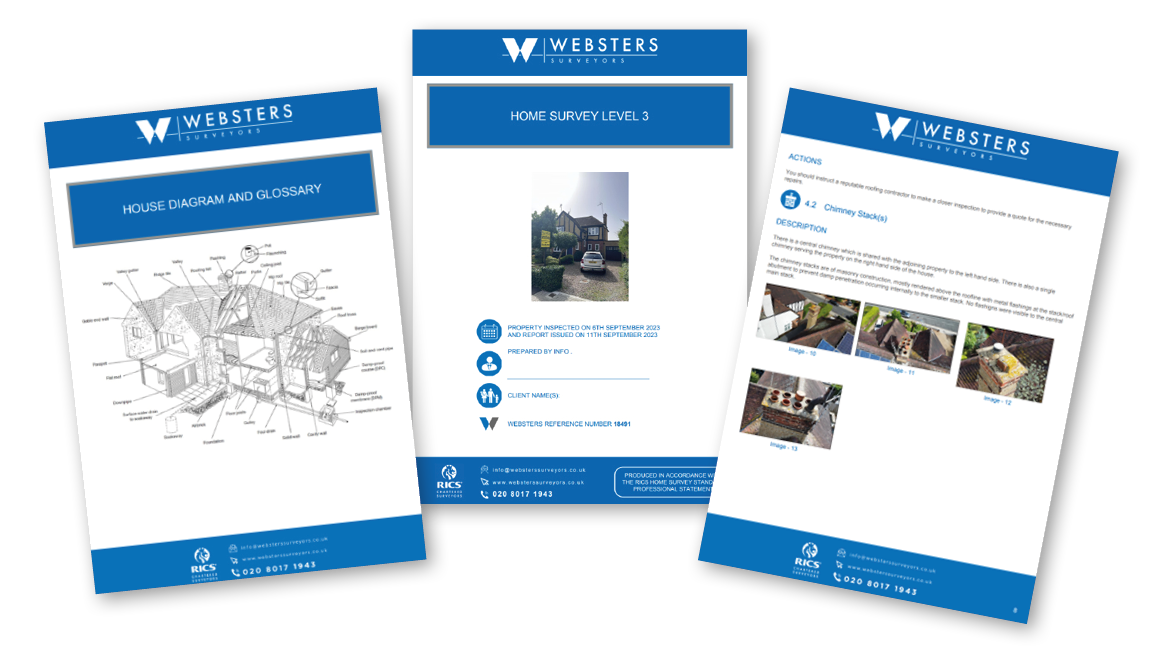
Choose this type of Survey if you’re buying a conventional house, flat or bungalow built from common building materials and in reasonable condition.
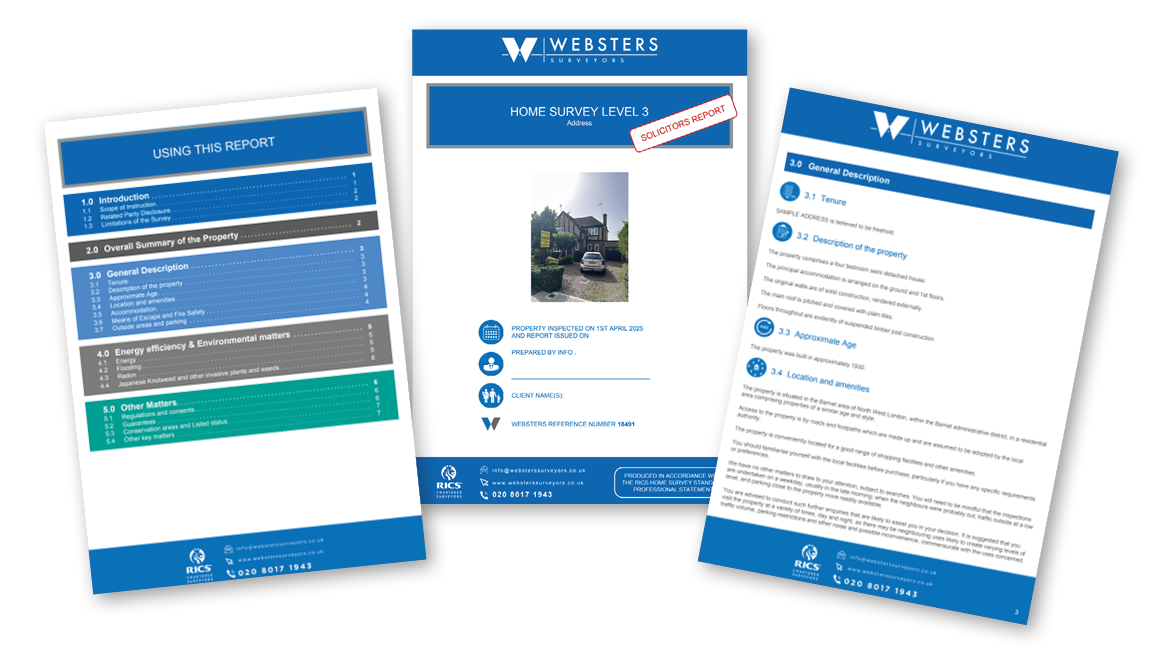
We provide a complimentary Solicitors summary report with every Survey, aimed at helping them speed up your purchase from an informed position.
What to expect advice on
A Level 2 survey (formerly the HomeBuyer Report) is the right choice for a conventional property in reasonable condition. It gives you a clear, rated picture of the home and flags the issues worth knowing about before you commit. Your report from our RICS qualified Surveyors and RICS Registered Valuers covers four things in particular:
A clear, rated report you can act on at a glance
A Level 2 survey assesses the readily accessible parts of a conventional home and rates each element using a simple condition scale. You can see at a glance what is sound, what needs attention and what is urgent — the essentials, without wading through unnecessary technical detail.
The defects and risks worth knowing before you commit
We identify visible defects and problems that need attention, including anything serious or potentially dangerous. Where something can’t be fully judged on a visual inspection, we tell you what warrants further investigation before you exchange, so nothing important is left unchecked.
Help to budget for repairs and ongoing upkeep
The report helps you budget for the repairs and restoration the property is likely to need, and explains the ongoing maintenance to expect as an owner. The aim is straightforward: fewer costly surprises in the months after you move in.
Guidance for your legal advisers, plus a complimentary solicitor’s summary
We flag the points your conveyancer needs to know and set them out clearly for the legal process. With every survey we also provide a complimentary solicitor’s summary report, written to help your solicitor raise the right enquiries and keep your purchase moving from an informed position.
EXAMPLES OF WHAT WE LOOK FOR
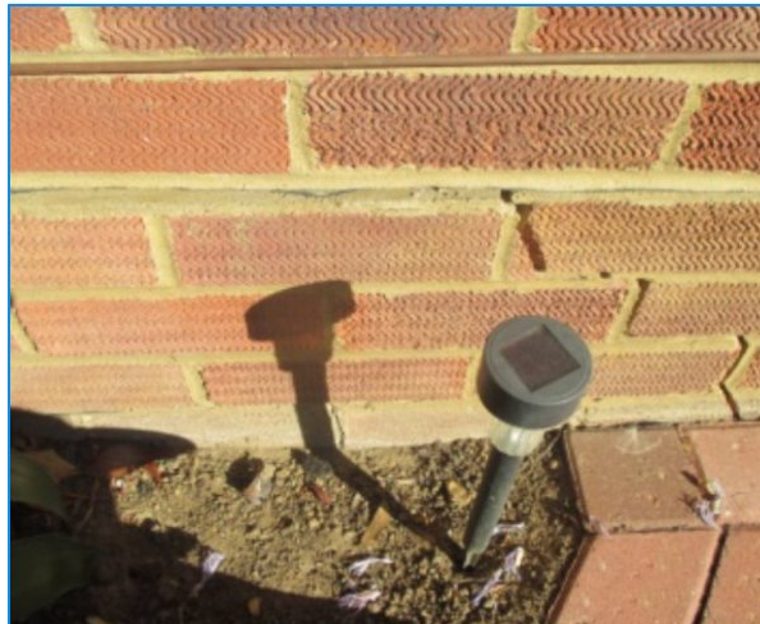
Structural movement
Cracks don’t always mean trouble — but they can. Structural movement, whether from subsidence, heave or simple shrinkage, is easily misread. We assess it against the property’s age, construction and ground conditions to identify the real cause and what, if anything, needs doing.
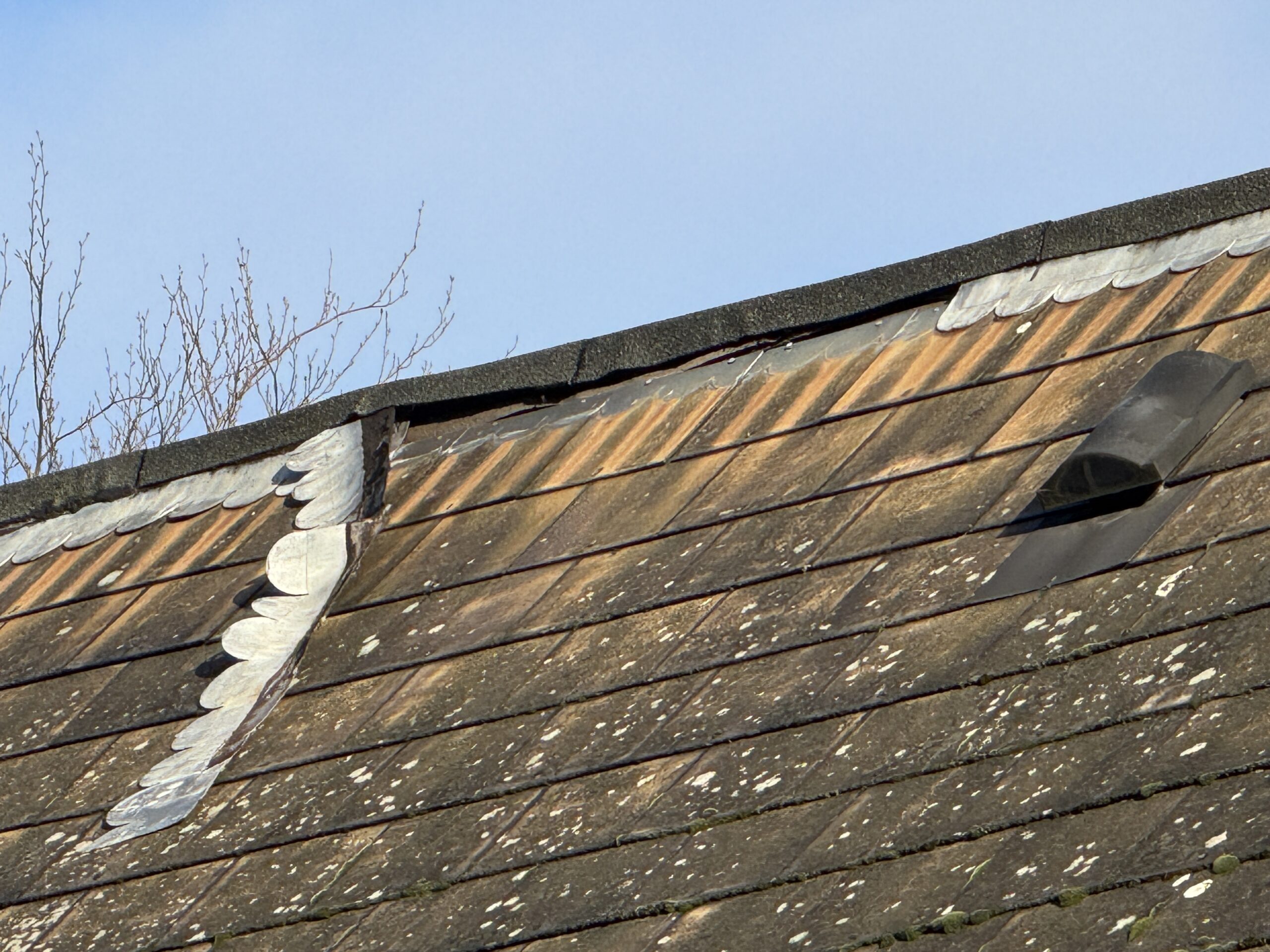
Roof coverings & flashings
Slipped or missing tiles, cracked ridge tiles and failed lead flashings are among the most common causes of water ingress. We inspect what is safely visible and flag anything that warrants a specialist roofer.
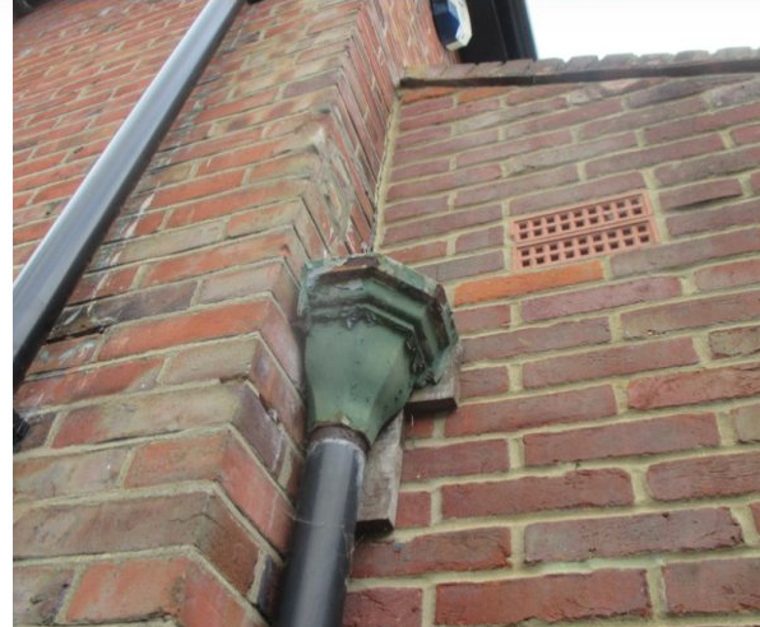
Drainage & rainwater goods
Surface-water drainage matters more as our weather gets wetter. Older or poorly maintained gutters, hoppers and downpipes can overflow and drive damp into the building, leading to costly repairs inside and out. We report on the condition of the rainwater system and any sign it isn’t coping.
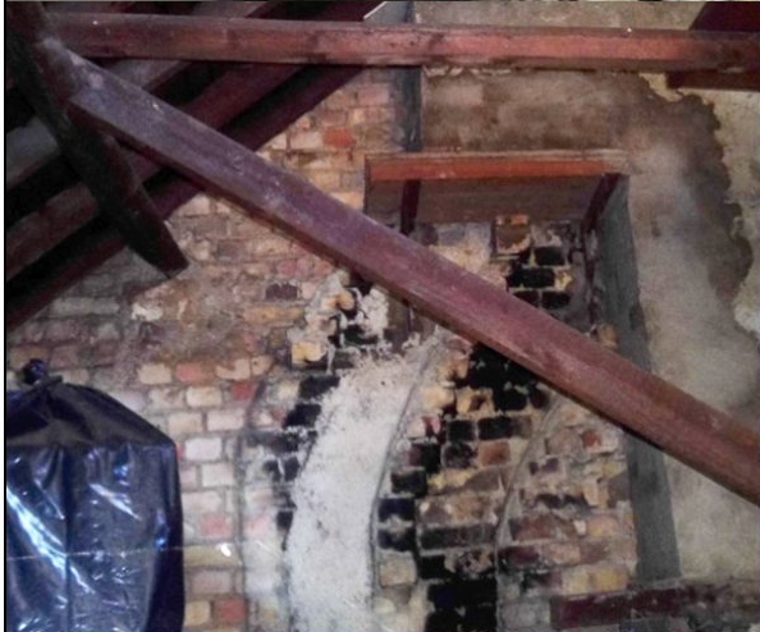
Roof void & party walls
The party wall continues up into the roof space, where it’s often overlooked and hard to reach. Up there it’s prone to damp, crumbling masonry and missing fire separation — issues with both structural and safety implications. We inspect the roof void wherever access allows and flag what we find.

Alterations & extensions
Most homes have been altered over the years — extended, converted or reconfigured. Done badly, or without the proper consents, alterations can carry legal, safety and cost consequences for a buyer. We identify what’s been changed and whether it raises questions worth resolving before you commit.
Roofing framework
Roof structures, modern and traditional, each have their own rules for how they should be built and braced. Omissions, cut timbers or unsympathetic alterations can compromise stability and lead to expensive repairs. We examine the roof framework and report on anything that threatens its integrity.

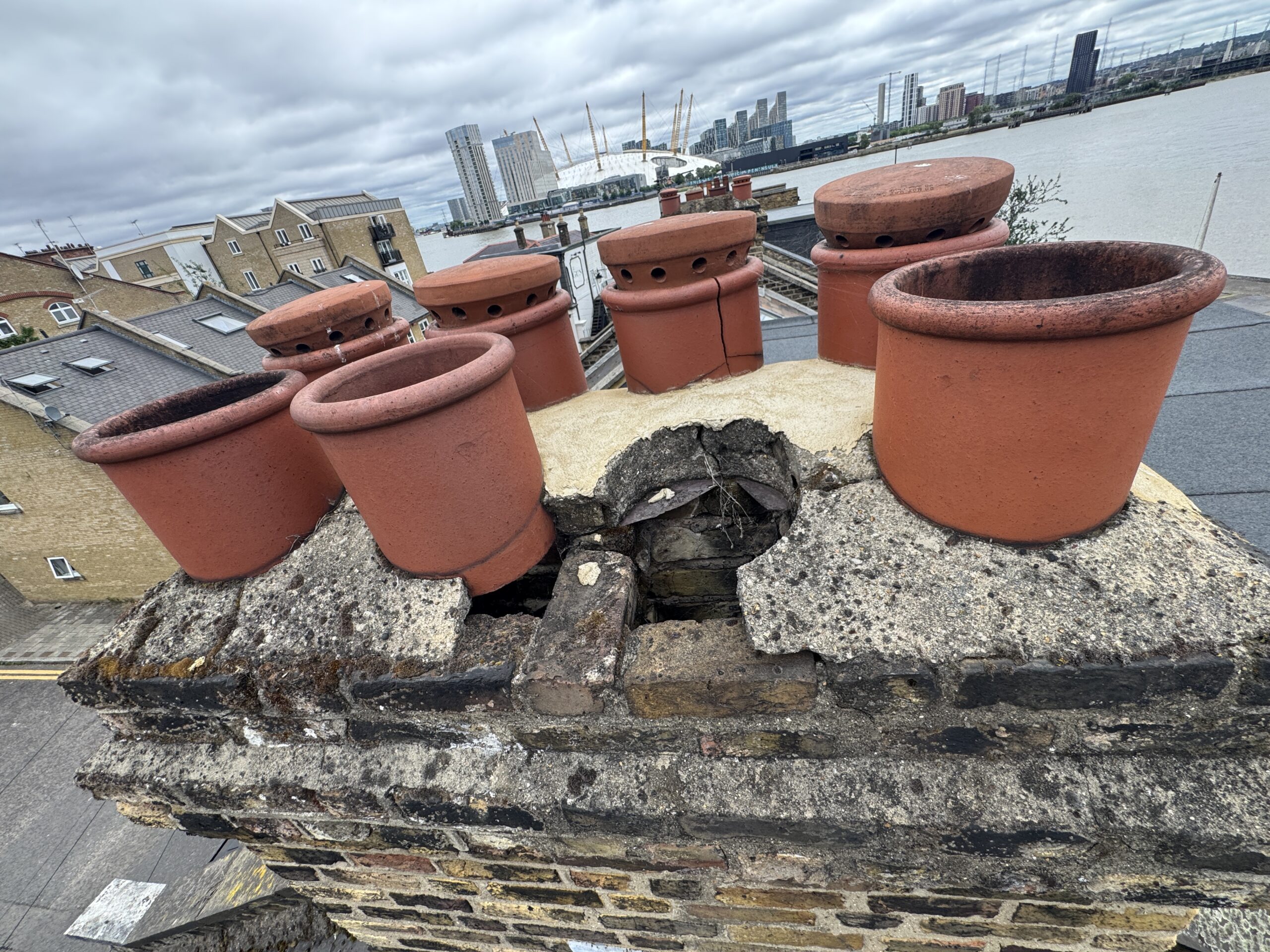
Chimneys and roofs
Chimney stacks and high-level roof slopes are where some of the most serious defects hide — cracked pots, eroded flaunching, spalled brickwork and slipped tiles — yet they’re the hardest areas to see from the ground. We fly drones to capture aerial photography of the stack, ridge, valleys and coverings, so problems like the collapsed brickwork pictured here are identified and recorded, not left to guesswork.
VALUATION & INSURANCE
UPGRADE YOUR REPORT
With any Level 2 or Level 3 survey you can add an independent Market Valuation, a buildings reinstatement (insurance) figure, or both — from £199 + VAT. Take either on its own, or combine the two at a discounted rate.
Independent Market Valuation
Paying a fair price matters, and in an unpredictable market an independent opinion of Market Value from a firm of Chartered Surveyors who have actually inspected the property is genuinely useful.
If you are buying with a mortgage, remember the lender’s valuation is for them, not you. It assesses their lending risk, is often carried out without a detailed inspection, and you may never see a copy.
With this add-on, our RICS Registered Valuers give you a Market Value figure based on our analysis of comparable transactional data and the property’s own characteristics. Buyers often use it to renegotiate when the agreed price sits above our assessed Market Value.
Buildings reinstatement (insurance rebuild) cost
Most UK homes are over- or under-insured — owners either overpay or risk being left short if the worst happens. A buildings reinstatement cost sets out the appropriate amount to insure the property for, which is often very different from the purchase price or its market value.
Buying a flat? Buildings insurance for a flat within a larger building is normally the freeholder’s responsibility, so we don’t provide a reinstatement figure for an individual flat. If you need the rebuild cost for the whole building, we can quote for that separately on request.
USING OUR REPORT
Not sure what a finding means? Talk to your surveyor.
If anything in your report is unclear, or you’re unsure how it affects your purchase, speak to the surveyor who inspected the property. A short call often turns a clinical-sounding report into a clear, confident decision.
Need further investigation? Ask the seller for access.
Where we recommend a specialist — a building contractor, or a roofing or damp firm — it’s reasonable to ask the seller to allow access so those checks can be carried out before you commit.
The aim: full information before you commit.
A survey exists to arm you with as much as possible about the property’s condition, the repairs it needs and their likely cost, before you’re contractually bound to the purchase.
Protect a major, long-term investment.
Whether you plan to live there or let it out, a home is a significant and lasting expense. A thorough survey helps you avoid costly surprises in the months after completion — forewarned is forearmed.
SURVEY TYPES AT A GLANCE
WITH SURVEYS, ONE SIZE DOES NOT FIT ALL!
It is important to choose the right type of survey for the property you are buying and your own specific requirements.
The information below is taken from the RICS Information Sheet: Helping you choose the right Survey, updated for the RICS guidance published in November 2019.
| Service Features | Level 2 Survey(Formerly known as HomeBuyer Survey) | Level 3 Survey(Formerly known as Building or Structural Survey) |
|---|---|---|
| Describes the construction and condition of the property on the date of the inspection | Included | Included |
| Aims to identify any problems that need urgent attention or are serious | Included | Included |
| Aims to identify things that need to be investigated further to prevent serious damage | Included | Included |
| Aims to tell you about problems that may be dangerous | Included | Included |
| Aims to show up potential issues and defects, before any transaction takes place | Included | Included |
| Aims to help you decide whether you need extra advice before committing to purchase | Included | Included |
| Aims to enable you to budget for any repairs or restoration | Included | Included |
| Aims to advise you on the amount of ongoing maintenance required in the future | Included | Included |
| Aims to establish how the property is built, what materials are used and how these will perform in the future | Not included | Included |
| Aims to describe visible defects, plus exposing potential problems posed by hidden defects | Not included | Included |
| Aims to outline the repair options and give you a repair timeline, whilst explaining the consequences of not acting | Not included | Included |
| Provides specific comments on energy efficiency | Not included | Included |
| Where practical and agreed beforehand at an additional cost, provides an estimate of costs for identified repairs | Not included | Not included |
RECENT SURVEYS
SELECT AN AREA:
NORTH London
RICS Homebuyer Survey Report in Cockfosters, London, EN4
We undertook a Homebuyer Survey on a typical 1930’s semi detached house that had been extended, but vacant for some time. We noted dampness in the roof void to the party wall masonry and the chimney breast. The rear single storey lean to kitchen had a tiled roof with cement fillets to the abutting rear wall. Cement fillets can shrink, crack and become porous in time allowing damp penetration. We advised on their replacement with lead flashing strips. Dampness was detected to the main walls and further specialist investigation was recommended to ascertain the extent and cost of rectification.
In addition, there was a detached garage, and we reported on several structural defects and electrical installation that did not meet safety requirements.
RICS Homebuyer Survey Report, Hendon, London, NW4
A homebuyer survey was chosen by our client, as the property was a ground floor flat, in a former 1930’s semi detached house heavily extended and converted to provide six units. A number of issues were discovered, including dampness and poorly maintained communal areas and grounds. We also had concerns regarding the agreed purchase price, and advised the client that it was considered to be excessive.
RICS Homebuyer Survey Report, High Barnet, London, EN5
A homebuyer survey was chosen by our client, as the property was a Victorian mid terraced house.
Our inspection revealed no major defects, although we reported on some maintenance and repairing issues regarding external solid masonry brickwork, and the sliding sash timber windows, some of which had broken cords, which can be awkward and expensive to repair.
RICS Homebuyer Survey Report, Whetstone, London, N20
A homebuyer survey was chosen by our client, as the property was a 1960’s end terraced house built on non-traditional construction known as wimpey no fines and this caused some concern. This form of construction involves the use of solid shuttered concrete walls. Our inspection revealed no major defects or issues, providing our client with reassurance and peace of mind.
RICS Homebuyer Survey Report, London, Muswell Hill, London, N10
Our client chose a homebuyer report as the property was a converted second floor flat in a three storey Victorian terraced block, comprising a ground floor retail shop and two flats above. A number of issues were identified including several softwood sliding sash windows that dis not fit squarely, and were subject to rot. In addition, there was an external balcony and cast iron spiral staircase that had defective securing mountings and was considered unsafe, pending repair.
RICS Homebuyer Survey, South Hampstead, London, NW3
A converted first floor flat in a three storey converted Edwardian semi detached house.
No specific issues or significant defects, but maintenance issues identified as part of the overall property and lease liabilities.
RICS Homebuyer Survey, Archway, London, N19
A converted first floor flat in a three storey converted Victorian mid terraced house.
A number of defects to the solid masonry brickwork were commented upon, together with maintenance issues identified regarding worn flashings to a flat felt roof.
RICS Homebuyer Survey, Camden, London, NW1
A converted third floor flat in a five storey converted Edwardian factory building.
No specific issues or significant defects, but maintenance issues identified as part of the overall property and lease liabilities.
RICS Homebuyer Survey, West Hampstead, London, NW10
A converted duplex first floor flat in a two storey plus attic Victorian mid terrace house.
No specific issues or significant defects, but maintenance issues identified as part of the overall property and lease liabilities.
RICS Homebuyer Survey, Kentish Town, London, NW5
A five storey Victorian mid terraced house.
No specific issues or significant defects, but maintenance issues identified.
RICS Homebuyer Survey, Tuffnell Park, London, N7
A converted lower ground floor flat with garden, in a four storey converted Victorian house.
Fractured retaining walls were identified. Internal layout of accommodation was considered to be poorly configured. Dampness detected to internal walls.
RICS Homebuyer Survey, Chalk Farm, London, NW5
A second floor mansion block flat in a four storey block.
No specific issues or significant defects.
RICS Homebuyer Survey, Holloway, London, NW2
A converted first floor flat with roof accommodation, in a two storey converted 1930’s semi detached house.
No specific issues or significant defects. Chimney breast masonry removed, but we were able to confirm that this had been undertaken satisfactorily. Rainwater goods were noted to be blocked.
RICS Homebuyer Survey, West Hampstead, London, NW6
A converted lower ground floor flat with garden, in a four storey converted Victorian house.
Fractured retaining walls were identified. Areas of flat roofing were ponding and moss covered, requiring repair, chimney masonry was affected by vegetation to loose pointing. A skylight had inadequate flashing protection strips.
RICS Homebuyer Survey, Cricklewood, London, NW2
A first floor flat in a three storey modern estate block.
No specific issues or significant defects, but maintenance issues identified as part of the overall property and lease liabilities.
RICS Homebuyer Survey, Crouch End, London, N19
A fourth floor flat in a five storey local authority block.
No specific issues or significant defects, but maintenance issues identified as part of the overall property and lease liabilities.
RICS Homebuyer Survey, Willesden Green, London,
A first floor flat in a four storey Edwardian mansion block.
No specific issues or significant defects, were noted.
RICS Homebuyer Survey, Kensal Green, London, NW10
An extended four bedroom two storey 1930’s mid terraced house.
Slipped slate roofing tiles were noted and there was no lining present. A roof conversion had taken place. Cracked lath and plaster ceilings were noted.
SOUTH London
RICS Homebuyer Survey Report, South Norwood, London, SE25
A homebuyer survey was chosen by our client, as the property was a 1930’s mid terraced house that had been extended, and was in need of updating. A number of issues were discovered, including dampness and roof repairs. We also had concerns regarding the construction of the rear extension and a detached garage approached via a rear service road.
RICS Homebuyer Survey Report, Thornton Heath, Croydon, CR7
A homebuyer survey was chosen by our client, as the property was a converted top floor flat, in a former Victorian end terraced house that had been converted to form three separate units. Our inspection revealed a number of defects and issues, including extensive penetrating dampness to walls, and rot to the softwood sliding sash single glazed window joinery. We were also able to advise our client on a number of maintenance issues that needed clarification, and may involve financial liability.
RICS Homebuyer Survey Report, London, Lewisham, SE13
A homebuyer survey was chosen by our client, as the property was a converted top floor flat, in a former Victorian mid terraced house that had been converted to form two separate units. Our inspection revealed a number of defects and issues, including penetrating dampness to roof void party walls, and rot to external joinery.
RICS Homebuyer Survey Report, Penge, London, SE20
A homebuyer survey was chosen by our client, as the property was a converted ground floor flat, in a former Victorian mid terraced house that had been converted to form two separate units. Our inspection revealed a number of defects and issues, including rising dampness to the solid brick masonry walls, and dilapidated outbuildings with asbestos panels.
WEST London
RICS Homebuyer Survey and Report in Greenford, London, UB6
We undertook a Homebuyer Survey on a typical 1930’s semi detached house that had been subject to renovation and extension. This included a large ‘wrap around’ ground floor single storey addition to the side and rear. However, we noted a number of defects and issues that required further investigation regarding the costs of rectification, that needed to be considered before purchase. The main pitched roof had an area of missing and loose tiles, and the underside of the roof covering and roof frame was concealed by sprayed foam. We warned our client that roof timbers under thiscovering are at greater risk of rot due to water penetration and reduced ventilation.
Repairs to the covering may also be difficult. Moss was also present to the roof slopes andthiscan lead to blockages in rainwater goods. There was an unseen valley gutter running to the frontandfeatures of this type are vulnerable to blockage and can be a source of damp penetration. The internal chimney breast in the roof void, was found to be affected by dampness, and that this was possibly due to defective roof flashings.
RICS Homebuyer Survey and Report in Hanwell, London, W7
A Homebuyer Survey was chosen because this 1930’s semi detached house was being purchased under probate as a refurbishment project. We identified a number of defects in respect of dampness and defective joinery and rainwater goods. We advised that the cost of the works be established, and the purchase price renegotiated.
RICS Homebuyer Survey Report, Shepherds Bush, London, W12
A building survey was chosen by our client, as the property was a converted lower ground floor flat with basement accommodation, in a former Victorian terraced house.. Properties constructed of solid brick masonry with below ground level accommodation are often prone to damp penetration issues. Our inspection revealed no major defects and the client was able to proceed knowing that there were no significant problems or issues with the property.
RICS Homebuyer Survey Report, London, Hammersmith and Fulham, W6
A homebuyer survey was chosen by our client, as the property was a Victorian mid terraced house that had been subject to refurbishment. Our inspection revealed no major defects, although we were able to advise our client on a number of maintenance issues that needed clarification, and provide reassurance and peace of mind, in respect of the alterations that had taken place, enhancing the property’s appeal.
RICS Homebuyer Survey Report in Hatch End, Pinner, HA5
The property was a modern purpose built ground floor flat in a two storey block. Although there were no specific defects noted, we were able to advise our client in respect of a section of private garden within the communal grounds, and in respect of extending the relatively short unexpired lease term remaining, in order to avoid marriage value premium value implications.
RICS HOMEBUYER SURVEY REPORT IN SOUTHALL, LONDON, UB1
A homebuyer survey was chosen by our client, as the property was a Victorian mid terraced house which had been subject to a number of structural alterations.
Our inspection revealed several significant defects and concerns. Party wall masonry to both elevations was also noted to be damp, with mortar joints between the bricks deteriorated in places. In addition, considerable dampness was found to the chimney breast masonry, together with loose and cracked render.
Moreover, a section of chimney breast had been removed. The remaining masonry above was supportedon a short beam attached to the party wall by two angled brackets. This form of support no longer meets statutory requirements. There was a poorly constructed single storey rear addition. The roof tile covering had not been lined, and daylight was evident in places where tiles had slipped, allowing rainwater penetration. Given the overall condition of the property, along with our concerns over the various poorly executed alterations; we advised our client that the purchase price was excessive and that the property may not prove a sound purchase for the client’s particular circumstances.
RICS Homebuyer Survey Report, Hayes, London, UB4
A homebuyer survey was chosen by our client, as the property was a 1980’s end terraced house that had been poorly maintained. The rear door was an internal specification lightweight MDF panelled door and was poorly fitted. There was a rudimentary lean to rear structure that did not meet minimum construction standards. In addition, the roof frame had inadequate bracing and restraint fitted. An attached garage had a badly moss affected roof, and inadequate door joinery.
Outside London
RICS HOMEBUYER SURVEY AND REPORT IN CHESHUNT, WALTHAM CROSS, EN8
A Homebuyer Survey was chosen because this 1970’s extended semi detached house was being purchased under probate. Only minor issues such as upgrading services installations, and some flat roof maintenance issues were identified, providing our client with comfort to proceed.
We advised that the cost of the works be established, and the purchase price renegotiated.
RICS HOMEBUYER SURVEY REPORT, HOVE, SUSSEX, BN3
A homebuyer survey was chosen by our client, as the property was a converted top floor flat, in a former Victorian end terraced house. Our inspection revealed no major defects, although we were able to advise our client on a number of maintenance issues that needed clarification, and may involve financial liability.
RICS Homebuyer Survey Report, Bushey, Watford, Herts, WD23
A homebuyer survey was chosen by our client, for a modern 1990’s estate house, that had been reconfigured from a three bedroom to a two bedroom property. Although no particular defects were noted, we had concerns regarding the agreed purchase price, and advised the client that it was regarded as excessive.
RICS Homebuyer Survey Report, Watford, Hertfordshire, WD19
A homebuyer survey was chosen by our client, as the property was a 1970’s end terraced house that was in need of updating. A number of issues were discovered, including internal joinery defects and some incomplete structural alterations.
RICS Homebuyer Survey Report, Bishops Stortford, Hertfordshire, CM23
A homebuyer survey was chosen by our client, as the property was a 1950’s semi detached house that had been extended. A number of issues were discovered, including a rear valley gutter between two butterfly gabled roofs, with blocked guttering and a defective downpipe hopper. There were also some rusted rainwater goods, and a broken guttering joint. There was evidence that cavity wall insulation has been retrospectively installed. In some circumstances cavity insulation can cause damp penetration and/or result in accelerated corrosion of wall ties that will require remedial treatment. We also noted that some boundary walling had fractured, and was in need of attention.
RICS Homebuyer Survey Report, Kings Langley, Hertfordshire, WD4
A homebuyer survey was chosen by our client, as the property was a 1970’s detached house that had been altered and updated internally. A number of defects and issues were identified: There was moss growth to roofs. Moss can cause deterioration of the covering. It can lead to blockages in rainwater goods. Cement mortar fillets to the junctions between some roofs and adjacent walls showed signs of shrinkage of the bedding mortar. This will lead to deterioration and water ingress. Some unfinished guttering was also present. The seals to several of the double glazed units had failed causing misting on the glass.The timber door and threshold were weathered, and in need of redecoration and making good to rot affected sections of framework,There was insufficient bracing to the roof framework which could allow movement of the trusses.
RICS Homebuyer Survey, Saint Albans, Herts, AL4
A 1970’s end terrace house.
No specific issues or significant defects, but maintenance issues identified including rotten external roof joinery, flat roof disrepair, and some rainwater goods repairs.
RICS Homebuyer Survey, Saint Albans, Hertfordshire, AL3
A 1920’s detached house.
A rare Arts and Crafts era house. Dampness to chimney breasts and walls was reported, together with cracked and loose render cladding, along with some internal joinery issues.
RICS Homebuyer Survey, Hatfield, Hertfordshire, AL10
A 1970’s mid terrace house.
No specific issues or significant defects, but maintenance issues identified including external roof joinery and internal roof frame support.
RICS Homebuyer Survey, Welwyn Garden City, Hertfordshire, AL8
A 1980’s cluster house.
No specific issues or significant defects, but maintenance issues identified including window joinery requiring attention, and external boundary wall repairs.
RICS Homebuyer Survey, Hemel Hempstead, Hertfordshire, HP2
A 1950’s semi detached house.
No specific issues or significant defects, but maintenance issues identified including repointing to external walls, cracking to internal walls, moss to roof slopes, and some rainwater goods repairs.
Advice was also issued regarding an asbestos sheet garage roof.
RICS Homebuyer Survey, Harpenden, Hertfordshire, AL5
A 19th century terraced cottage.
A number of defects to the solid masonry brickwork were commented upon, together with rotted external joinery, and dampness and defective plaster to internal walls. Advice was also given in respect of a roof void firebreak wall.